KECC posted 1 year ago
Elephants are among the most iconic and majestic animals on Earth. Revered across cultures and deeply embedded in Thailand’s heritage, these gentle giants are more than just symbols of strength and wisdom, they are keystone species vital to the ecosystems they inhabit. At Khaosok Elephant Conservation Centre (KECC), we focus on ethical elephant tourism and elephant conservation in Thailand, working closely with a unique member of the elephant family: the Indian Elephant, a subspecies of the Asian Elephant.
In this article, we explore the three distinct species of elephants, highlight the subspecies of the Asian Elephant, and delve into why Thailand’s Indian Elephant deserves our utmost respect, protection, and care.
Elephants are divided into three recognized species:
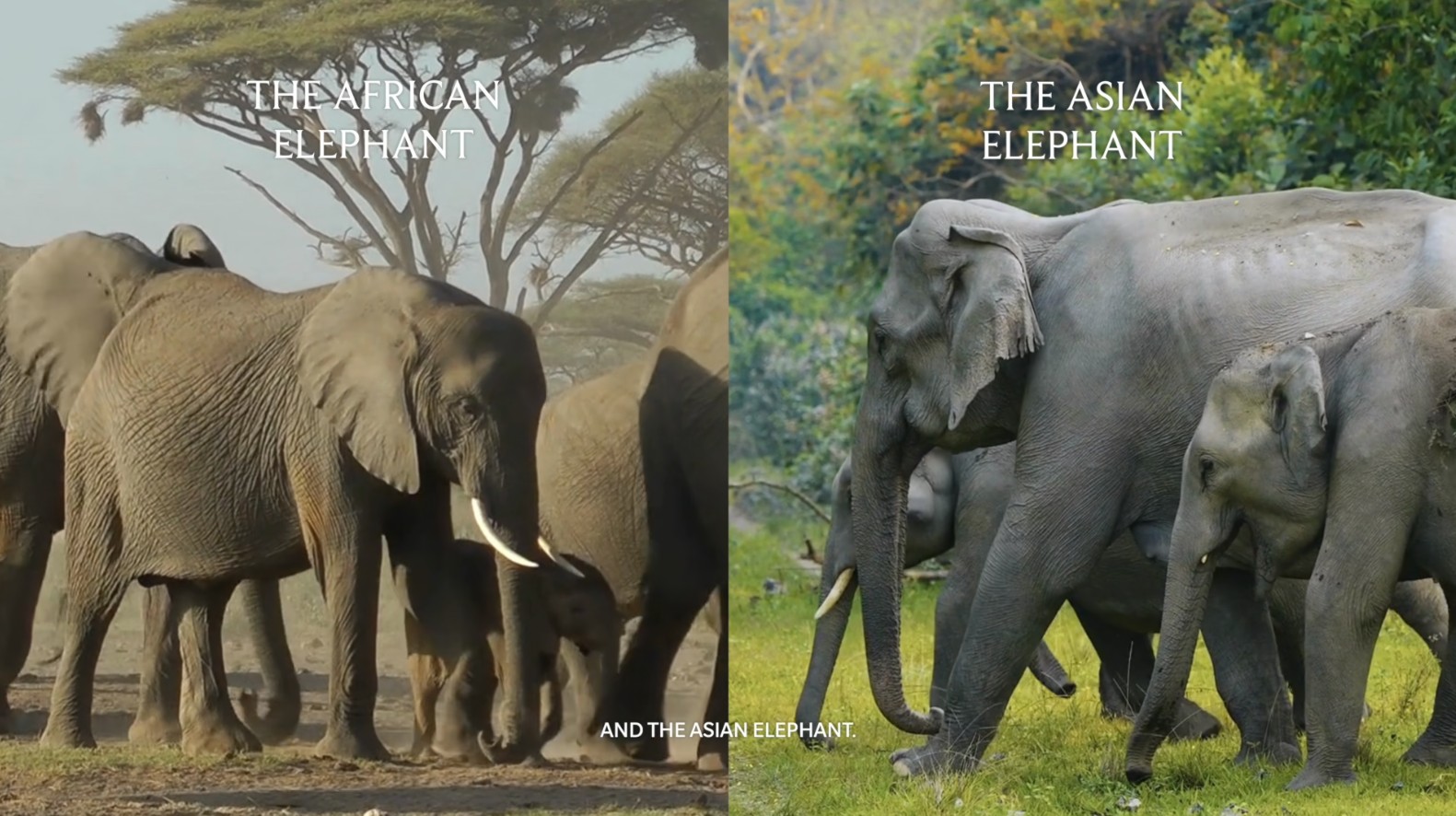
Also known as the African Bush Elephant, this is the largest of all elephant species. Found primarily in the grasslands and savannas of sub-Saharan Africa, they are easily identified by their large ears shaped like the African continent. These elephants play a critical role in shaping their habitats by uprooting trees and creating clearings.
Smaller and more elusive than their savanna counterparts, African Forest Elephants inhabit the dense rainforests of Central and West Africa. With straighter tusks and smaller bodies, these elephants are now recognized as a separate species due to genetic differences.
The only species found outside Africa, Asian Elephants are smaller than African elephants and have smaller, rounded ears. Unlike African species, only some male Asian elephants grow tusks. This species is classified as Endangered on the IUCN Red List due to habitat loss, human conflict, and exploitation.
The Asian Elephant species is further divided into four regional subspecies
The most widespread subspecies, the Indian Elephant is found across the Indian subcontinent. Thailand’s native elephants belong to this group. They are slightly smaller than African elephants and have distinctive domed heads.
These elephants are the largest of the Asian subspecies and are mostly found in the dry zones of Sri Lanka. They have darker skin and lack significant depigmentation on the ears and trunk.
A critically endangered subspecies native to the Indonesian island of Sumatra. These elephants are smaller and have more rounded bodies. Their population is declining rapidly due to palm oil plantations and deforestation.
Also known as the Borneo Pygmy Elephant, they are the smallest subspecies. Found in the northeastern parts of Borneo, these elephants are gentle and have relatively longer tails and straighter tusks.
Here in Thailand, the Indian Elephant plays a special cultural, historical, and ecological role. Elephants have been part of Thai history for centuries, used in agriculture, royal ceremonies, and even warfare. Today, they are considered a national symbol and a protected species under Thai law.
Despite this status, the Indian Elephant faces serious challenges in the wild and in captivity. Thailand’s wild elephant population is estimated to be only around 3,000–3,500, with another 3,000 living in domesticated environments.
At Khaosok Elephant Conservation Centre, we aim to reverse this trend by promoting ethical elephant experiences, advocating for elephant rights, and offering a sustainable alternative to traditional elephant tourism.
At KECC, we believe in elephant care rooted in compassion and respect. Unlike exploitative tourism that involves elephant riding or forced tricks, our programs allow visitors to connect with elephants in a natural and ethical setting.
Here’s how we help support the Indian Elephant:
No riding, no chains, no performances
Our elephants live in a natural environment, free from harm and stress.
Educational Programs
Visitors learn about the biology, history, and emotional depth of Indian Elephants.
Veterinary Care & Nutrition
We provide our elephants with veterinary support and a nutritious diet including bananas, sugarcane, leaves, and supplement balls.
Eco-Friendly Practices
Activities such as making handmade elephant dung paper allow guests to support conservation while reducing waste.
Cultural Exchange
Visitors experience traditional Thai practices, helping bridge the gap between culture and conservation.
Protecting elephants means protecting entire ecosystems. As keystone species, elephants help maintain forest and grassland habitats that support countless other plants and animals. They disperse seeds, create water holes, and clear paths through dense vegetation.
Every visit to KECC contributes directly to our mission of conservation, helping fund food, medicine, caretakers, and forest regeneration efforts. By choosing ethical elephant tourism in Thailand, you become part of a greater movement to ensure that future generations will still be able to see these majestic beings in the wild.
Visit Us and Meet Thailand’s Gentle Giants
When you visit Khaosok Elephant Conservation Centre, you’re not just observing elephants—you’re creating lasting memories with creatures that have shaped Thailand’s past and deserve a thriving future. Come meet Daw, our adorable, mischievous, food-loving young elephant, and experience firsthand the power of kindness, connection, and conservation.
Whether you’re a nature lover, traveler, or someone curious about ethical elephant experiences, your journey begins here, surrounded by misty rainforests and the whispers of ancient giants.