
KECC posted 1 year ago
At the heart of ethical elephant conservation
is a deep understanding of the natural habitat that domestic elephants thrive in. At Khaosok Elephant Conservation Centre, we believe that caring for domestic elephants begins with respecting their habitat needs, ensuring their welfare, and promoting sustainable coexistence with humans.
What is a Domestic Elephant?
Domestic elephants, also known as working or captive elephants, are elephants that live and work closely with humans. Unlike their wild counterparts roaming freely in vast forests, domestic elephants often serve in tourism, logging, or ceremonial roles. Despite this close human relationship, maintaining a suitable habitat for domestic elephants is essential for their health, well-being, and longevity.
Natural Habitat of Domestic Elephants
Domestic elephants primarily originate from regions in Southeast Asia, especially Thailand, Myanmar, Laos, and Cambodia. Their natural habitat consists of tropical and subtropical forests, grasslands, and river valleys. These environments provide essential resources like food, water, shelter, and social interaction, which domestic elephants need to flourish.
Forests and Vegetation
The typical habitat for domestic elephants includes dense tropical forests rich in bamboo, grasses, vines, and hardwood trees. These provide a diverse diet that is crucial for the elephants’ nutrition. Domestic elephants at Khaosok are often cared for in environments mimicking their natural forest habitats — shaded areas with abundant vegetation to browse, which reduces stress and promotes natural behaviors.
Water Sources
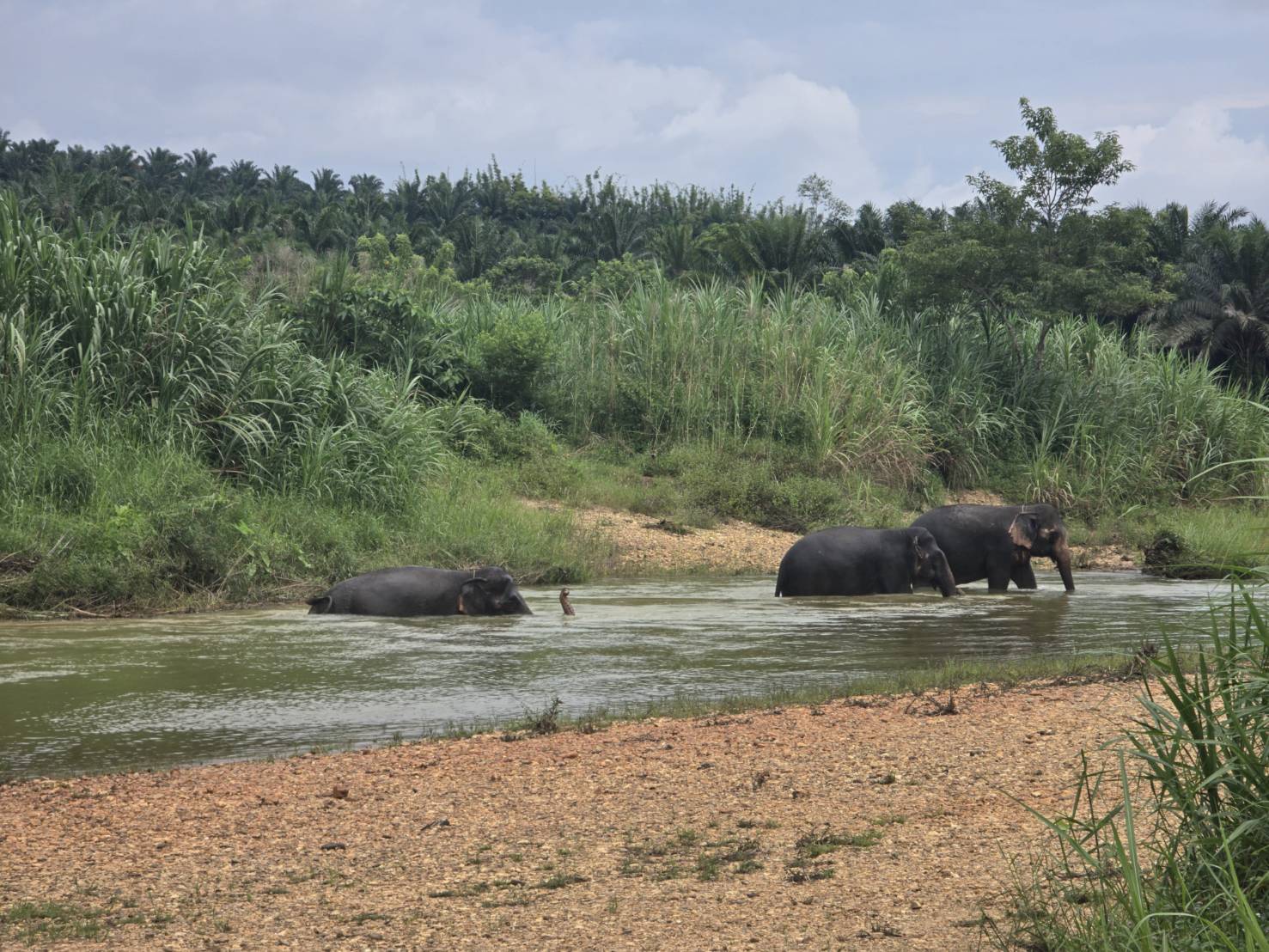
Elephants require substantial amounts of water daily — up to 100-150 liters per day — for drinking, bathing, and cooling down. Domestic elephants benefit from having access to natural water sources such as rivers, streams, or man-made ponds. Water access helps them maintain healthy skin, regulate body temperature, and socialize during bathing rituals.
Why is Habitat Important for Domestic Elephants?
Physical Health
An appropriate habitat encourages physical activity such as walking, foraging, and socializing, which keeps domestic elephants healthy and prevents obesity and joint problems. Access to diverse vegetation ensures a balanced diet rich in fiber, vitamins, and minerals.
Mental Well-being
Elephants are highly intelligent and social animals. A habitat that mimics their natural environment helps reduce stress, anxiety, and boredom. Environments with natural sounds, vegetation, and companionship promote mental stimulation and happiness.
Ethical Elephant Tourism
The global movement toward ethical elephant tourism emphasizes the importance of providing domestic elephants with habitats close to their natural conditions. Sanctuaries and conservation centers like Khaosok Elephant Conservation Centre strive to maintain or recreate habitats that allow elephants to express natural behaviors like mud bathing, socializing, and grazing.
Challenges in Maintaining Domestic Elephant Habitats
Habitat Loss and Fragmentation
Rapid deforestation and human development have shrunk natural habitats for elephants. Domestic elephants sometimes face limited space, poor living conditions, and lack of natural vegetation, especially in urban or commercial areas.
Climate and Seasonal Changes
Domestic elephants in Thailand experience wet and dry seasons. During the dry season, food and water sources become scarce, requiring additional care and supplementation from caretakers to maintain health.
Human Interaction
While domestic elephants work closely with humans, it is critical to balance human activities with habitat needs. Overworking elephants in unsuitable habitats can cause stress and injury.
Khaosok Elephant Conservation Centre’s Approach to Habitat Care
At Khaosok Elephant Conservation Centre, we provide domestic elephants with a sanctuary environment that closely resembles their natural habitat. Our efforts include:
· Large shaded forest areas: Our elephants have plenty of space to roam, forage, and rest in peaceful forested surroundings.
· Access to clean water: Natural streams and ponds are available for drinking and bathing.
· Diverse natural diet: We supplement their diet with bamboo, grasses, and seasonal fruits to mimic wild foraging.
· Ethical practices: We avoid harmful activities like elephant riding or performances, focusing on welfare and conservation.
· Community education: We raise awareness about the importance of preserving elephant habitats and promoting ethical tourism.
How You Can Help Protect Domestic Elephant Habitats
Supporting organizations like Khaosok Elephant Conservation Centre directly contributes to maintaining and restoring suitable habitats for domestic elephants. Here are ways you can help:
· Choose ethical elephant experiences: Visit sanctuaries that prioritize elephant welfare and habitat care.
· Support reforestation efforts: Forest restoration helps rebuild natural habitats.
· Educate others: Spread awareness about the importance of habitat conservation.
· Donate or volunteer: Many conservation centers rely on public support to maintain habitats.
Conclusion
The habitat of domestic elephants is the foundation of their health, happiness, and survival. Understanding the importance of natural environments for these gentle giants helps promote ethical care and conservation. At Khaosok Elephant Conservation Centre, we are committed to providing domestic elephants with habitats that nurture their physical and mental well-being.
By supporting ethical elephant tourism and conservation, you help preserve these majestic animals and their natural habitats for generations to come.